Parrot bird toy supplies gnawing molar chewing enrichment activity for small medium large birds including cockatiels, budgies, lovebirds and conures with three size options for different beak strengths and cage space requirements.


Parrot bird toy supplies gnawing molar chewing enrichment activity for small medium large birds including cockatiels, budgies, lovebirds and conures with three size options for different beak strengths and cage space requirements.
Parrot Gnawing Molar Chewing Toy: Three Size Options for Small to Medium Birds
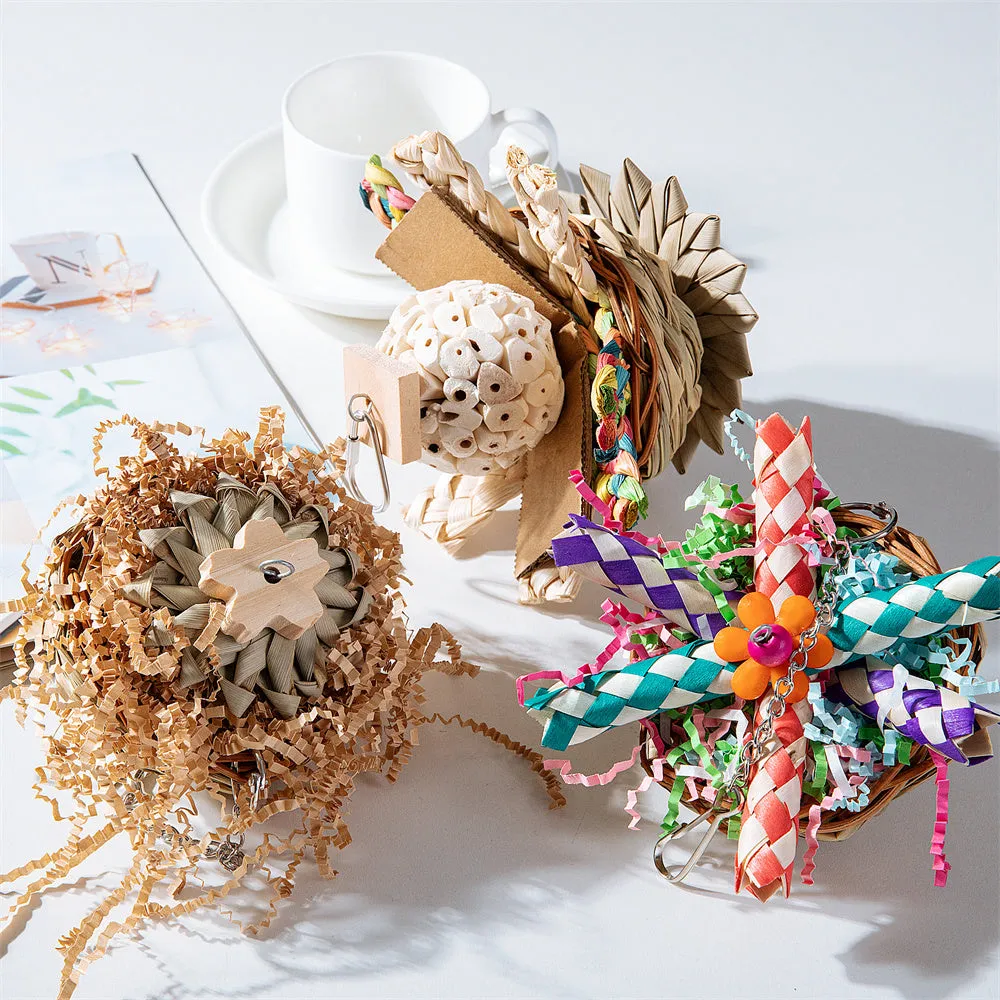
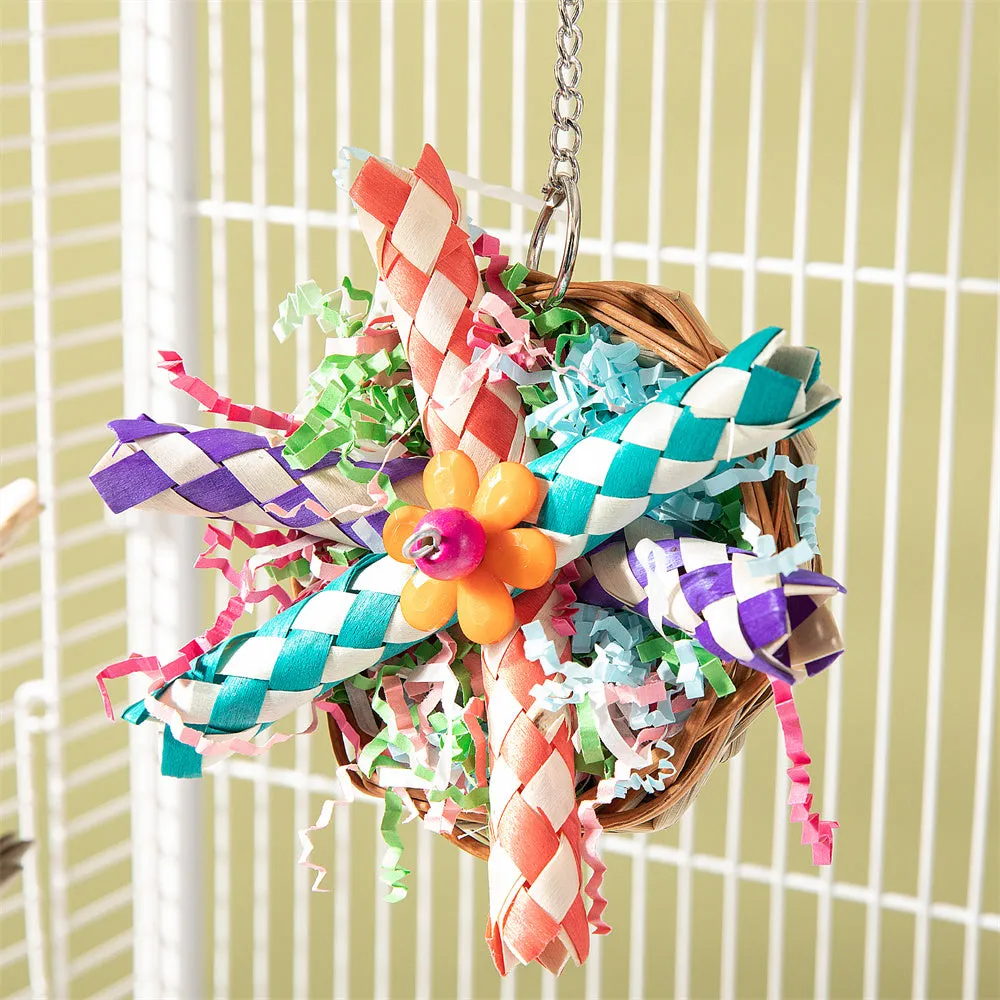
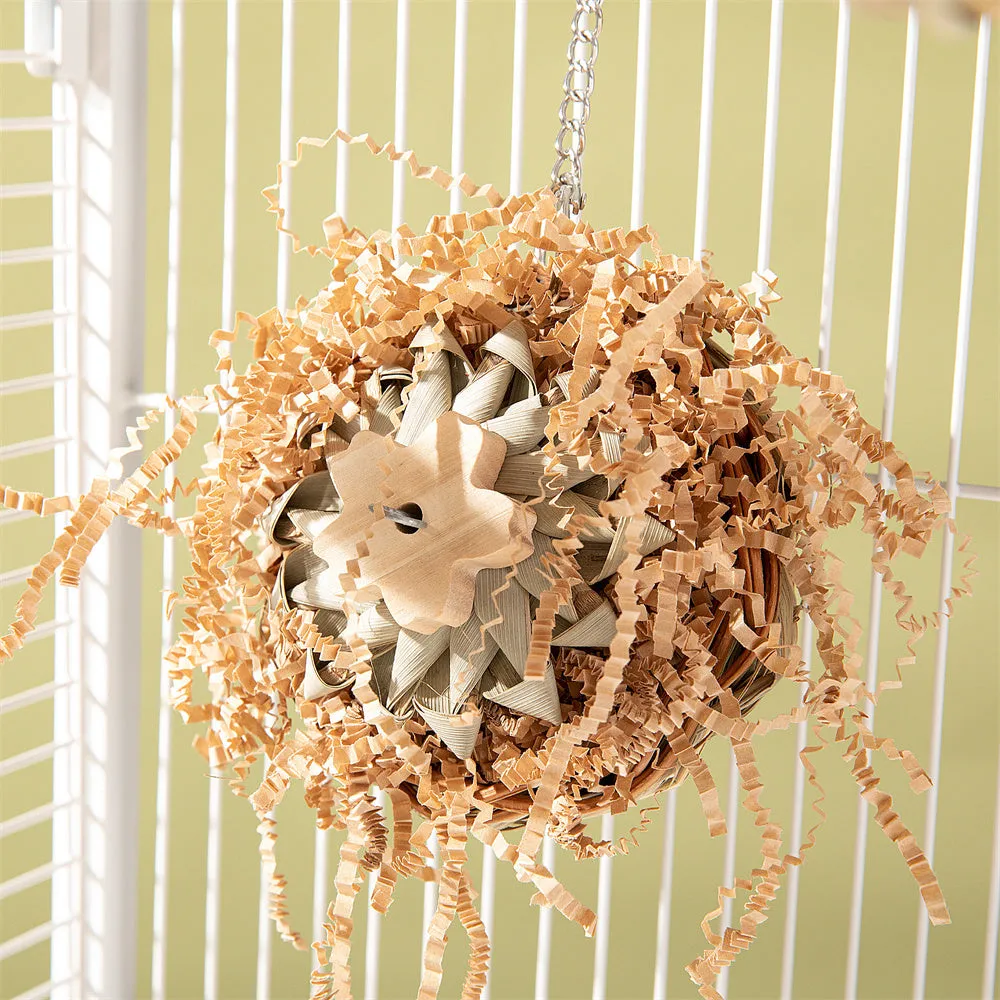
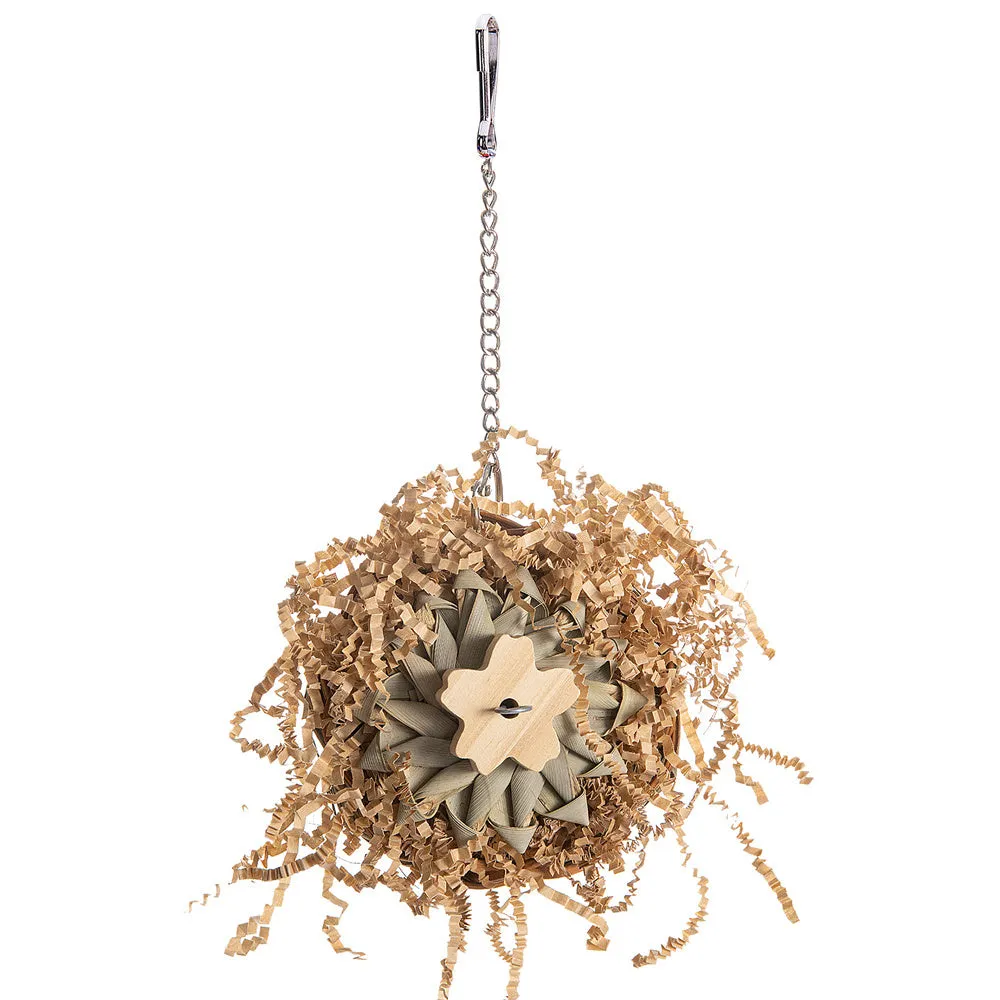
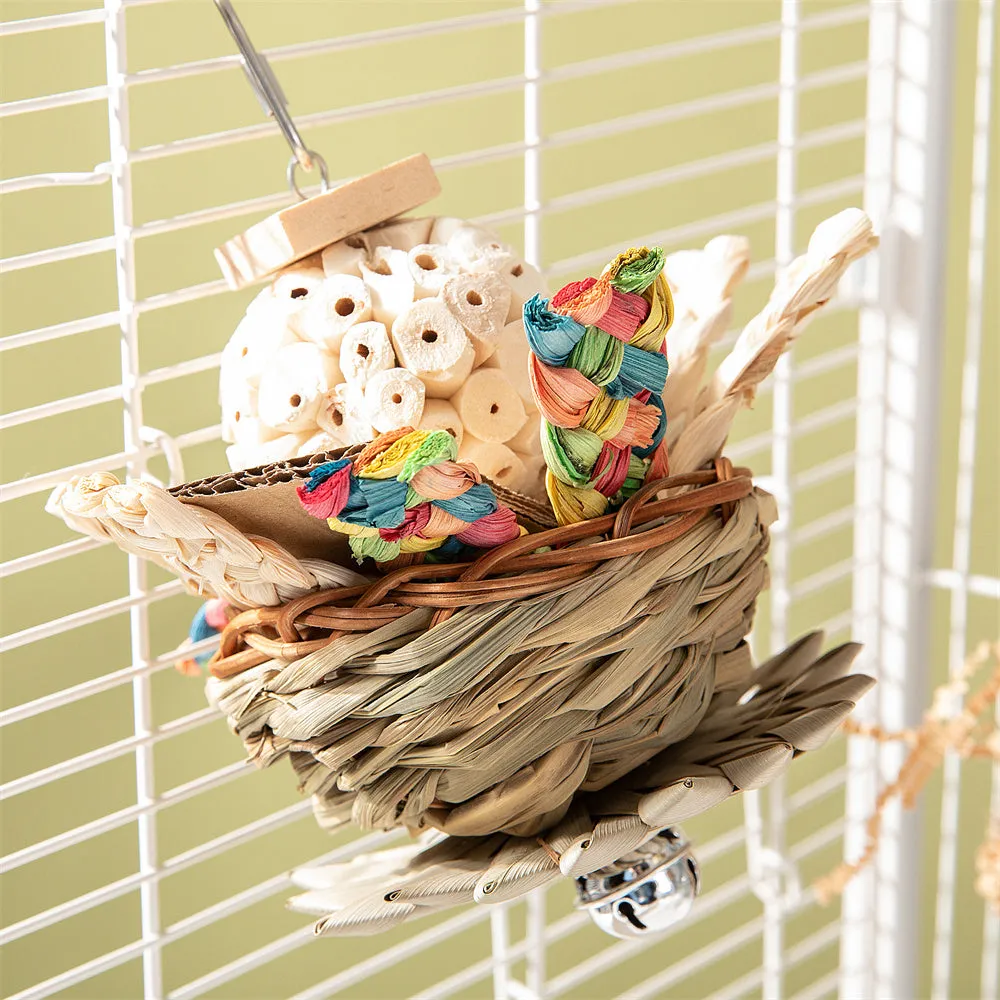
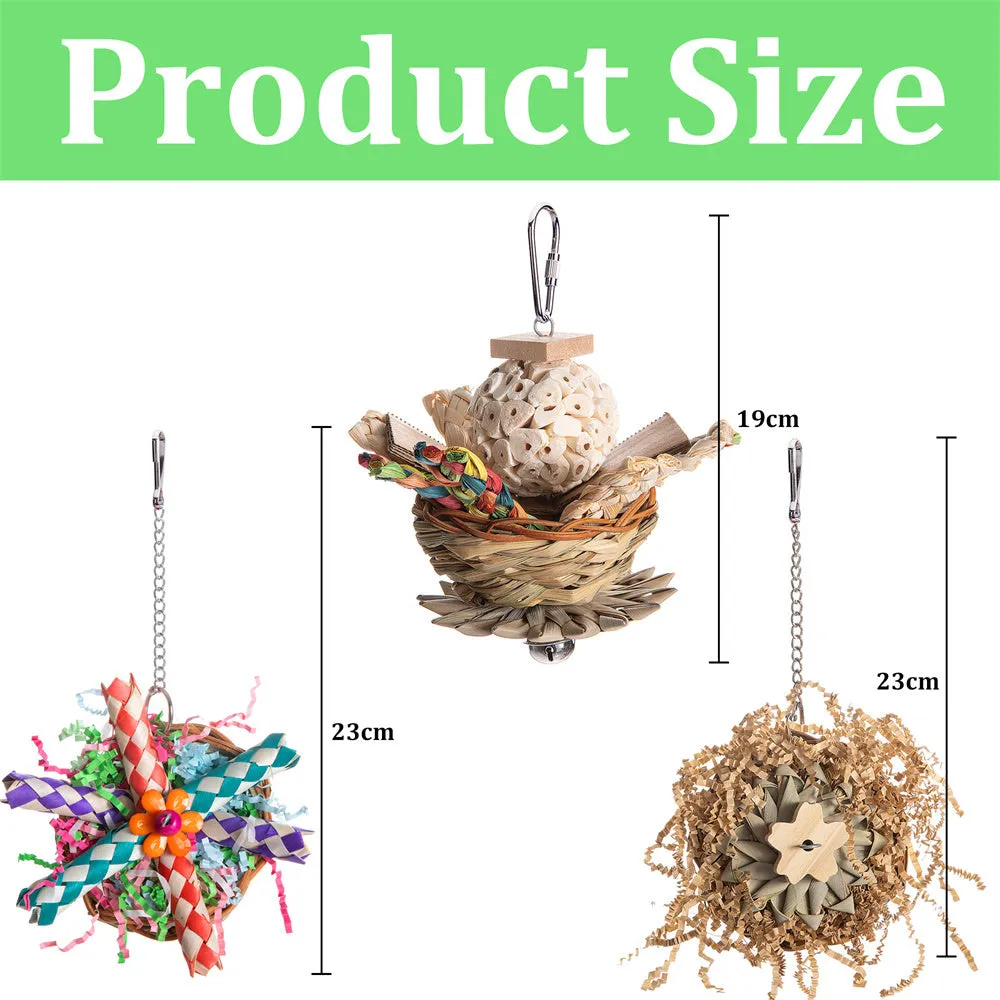
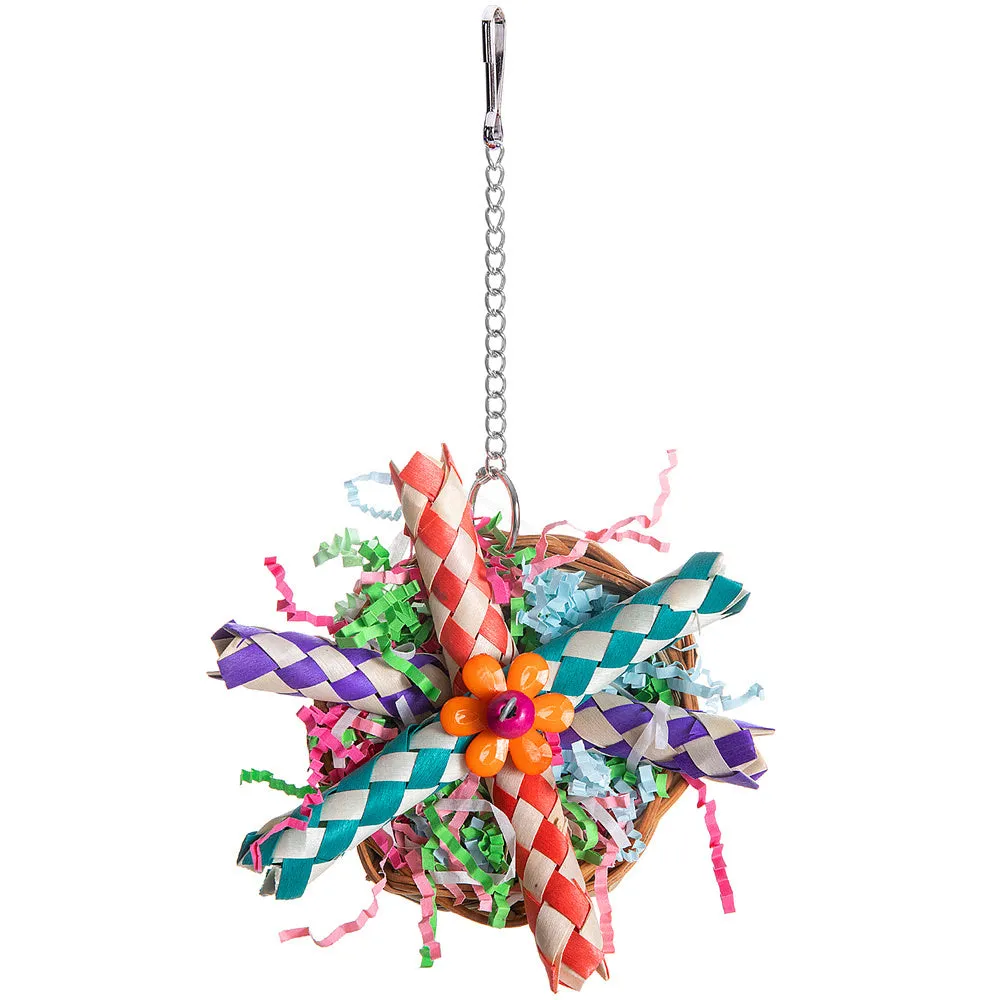
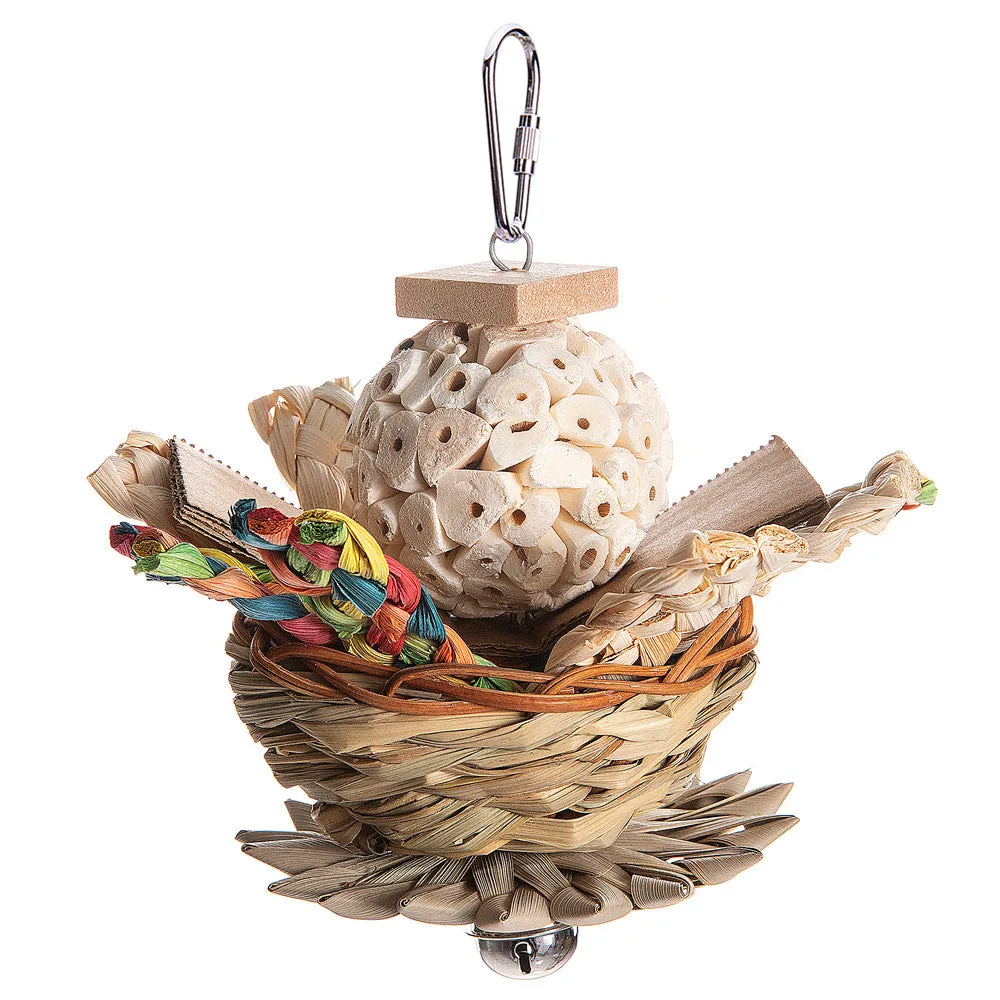
This specialised gnawing molar chewing toy addresses a fundamental need for captive birds: appropriate outlets for natural destructive and chewing behaviours. Birds in captivity require regular beak maintenance and mental stimulation to prevent boredom-related issues and promote overall wellbeing. The toy's textured molar-like surface provides a dedicated chewing area that helps redirect natural gnawing instincts away from cage bars, perches, and other potentially unsafe surfaces. Available in three distinct weight configurations - Type A at 57g, Type B at 48.6g, and Type C at 47.7g - owners can select the most suitable option based on their bird's size, species, and chewing intensity. The complete three-set package, weighing 160g including all packaging materials, offers versatility for multi-bird households or those wanting to rotate toys to maintain their bird's interest over time.
Features and Construction
The toy's primary function centres around providing a safe, engaging surface for birds to exercise their natural gnawing instincts. Different bird species and individual birds within those species exhibit varying chewing intensities and beak strengths, making multiple size options particularly valuable for matching the toy to the user.
Material and Build
Constructed from bird-safe materials specified by the manufacturer as suitable for chewing activities, the toy features a textured surface designed specifically to engage birds' beaks during use. The molar-like texture provides varied resistance points that encourage sustained chewing activity rather than immediate destruction. This construction approach aims to extend the toy's usable lifespan while providing consistent beak maintenance benefits. The materials are selected to withstand the repetitive gnawing motions typical of small to medium parrot species without splintering or creating hazardous sharp edges during normal use.
Size and Practical Fit
The three distinct type options offer practical solutions for different cage configurations and bird sizes. Type A, at 57g including packaging, represents the heaviest option suitable for more vigorous chewers or larger small birds. Type B weighs 48.6g including packaging, offering a mid-range option for average-sized cockatiels or active budgies. Type C, at 47.7g including packaging, provides the lightest alternative for smaller birds or those with gentler chewing habits. These weight variations, though subtle, correspond to different physical dimensions and material densities that affect how the toy interacts with different beak strengths and cage mounting situations.
Uses and Placement
Proper implementation of chewing toys requires consideration of both the bird's natural behaviours and the practical constraints of cage living. This product serves multiple functions beyond simple entertainment, contributing to both physical health and behavioural management in captive bird environments.
Event or Professional Use
For aviaries, bird boarding facilities, or breeding environments, having multiple toy options allows caretakers to match specific toys to individual birds' needs and preferences. The availability of three distinct types enables rotation strategies that can help maintain novelty and engagement across multiple birds or over extended periods. Professional users might employ different types simultaneously in different cages or switch between types during cleaning cycles to provide variety. The weight specifications (57g, 48.6g, 47.7g) help professionals inventory and allocate toys based on recorded bird sizes and chewing histories.
Everyday Home Use
For typical pet owners with one or two birds, selecting the appropriate type based on their bird's species and observed chewing behaviour represents the primary consideration. Smaller birds like budgies or lovebirds might benefit from the lighter Type C (47.7g), while more vigorous cockatiels or small conures could engage better with Type A (57g) or Type B (48.6g). Positioning the toy securely in the cage prevents accidental entanglement and ensures the bird can access it comfortably from various perches. Regular observation during initial introduction helps owners gauge whether they've selected the most appropriate type for their particular bird's chewing style and intensity.
Benefits and Buying Value
The value proposition extends beyond simple entertainment to encompass behavioural management, physical health maintenance, and environmental enrichment. These practical benefits justify the inclusion of such specialised toys in any comprehensive bird care regimen.
Reuse and Low Maintenance
Unlike disposable chewing items that require frequent replacement, this toy's construction aims to withstand extended use through its textured surface design and material selection. The three-type offering allows owners to experiment with different options to find the most durable match for their particular bird, potentially extending the useful life of their purchase. When one type proves particularly effective, owners can purchase additional units of that specific type knowing it suits their bird's chewing pattern. The toy requires minimal maintenance beyond occasional inspection for wear and secure reattachment if it becomes dislodged during vigorous chewing sessions.
Why Choose This Product
This gnawing molar toy distinguishes itself through its specific focus on providing a textured chewing surface designed for sustained beak engagement rather than rapid destruction. The availability of three measured weight options (57g, 48.6g, 47.7g) provides concrete differentiation from one-size-fits-all alternatives, allowing better matching to individual birds' needs. The product addresses a documented need in bird care - redirecting destructive chewing away from cage infrastructure - through specialised design rather than generic entertainment. For owners seeking to support their birds' natural behaviours while protecting their cage investment, this targeted approach offers measurable advantages over unspecific chewing toys.