
Walkie talkie with 128 channels and dual VHF/UHF frequency range for outdoor communication, featuring long-range 5-10km theoretical distance, 5/8W RF output power, and compact 110x58x32mm dimensions without antenna.


Walkie talkie with 128 channels and dual VHF/UHF frequency range for outdoor communication, featuring long-range 5-10km theoretical distance, 5/8W RF output power, and compact 110x58x32mm dimensions without antenna.
Dual Band VHF/UHF Walkie Talkie with 128 Channels and 5-10km Communication Range
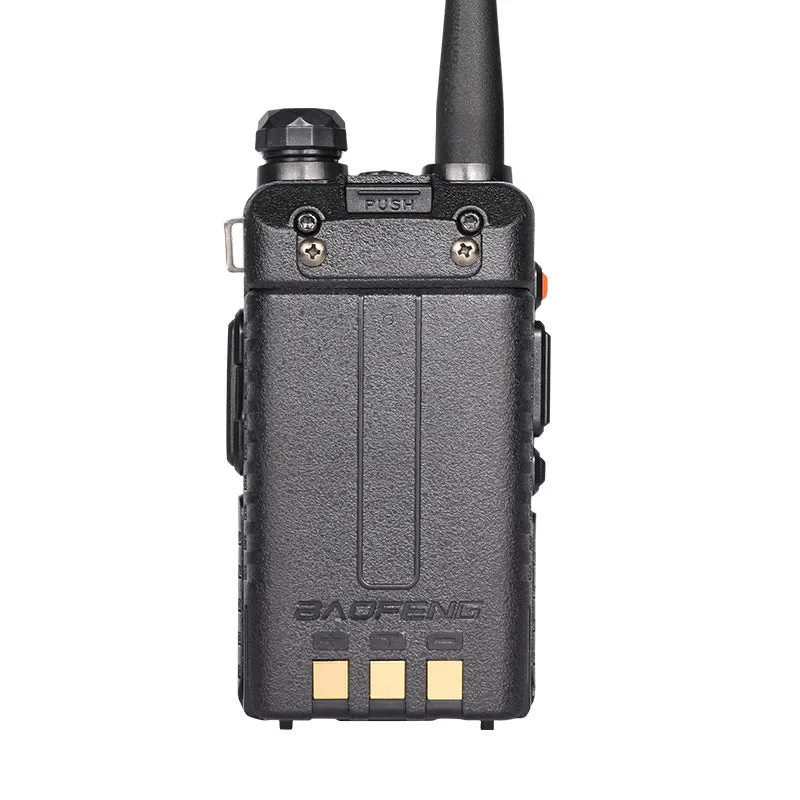
This professional walkie talkie offers versatile communication across both VHF (136-174MHz) and UHF (400-520MHz) frequency bands, making it adaptable to various operational environments. With 128 programmable channels and a theoretical communication distance of 5-10km, it provides reliable coordination for outdoor activities, event management, and operational teams. The device operates without requiring SIM cards or network subscriptions, functioning as a standalone communication solution with 5/8W RF output power and frequency stability maintained within 5ppm.
Technical Specifications and Performance
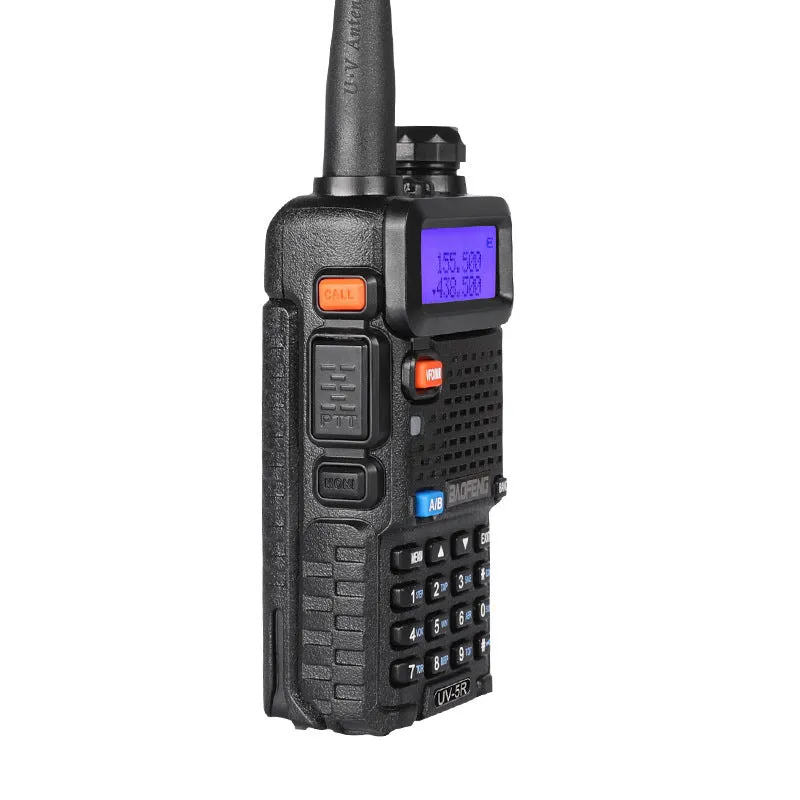
The walkie talkie combines technical capabilities with practical design elements that support reliable communication in different scenarios. Its dual-band functionality allows users to select optimal frequencies based on environmental conditions and regulatory requirements.
Frequency Range and Channel Capacity
Covering both VHF (136-174MHz) and UHF (400-520MHz) spectrums, this walkie talkie adapts to varying propagation characteristics—VHF for longer range in open areas and UHF for better penetration in urban or wooded environments. The 128 programmable channels enable multiple team configurations, private communication lines, and frequency agility. This channel capacity supports complex operational structures where different groups require separate communication channels while using the same hardware platform.
Power Output and Communication Distance
With 5/8W RF output power configurable based on requirements, the device balances transmission range with battery efficiency. The theoretical communication distance of 5-10km provides practical coverage for most outdoor coordination needs, from construction sites to event management areas. This range represents optimal conditions and varies with terrain, obstacles, and atmospheric conditions that affect radio wave propagation.
Battery System and Power Management
The integrated lithium battery operates at 7.4V working voltage and delivers up to 2500 hours of theoretical battery life in standby or receive modes. This extended operational time reduces frequency of charging cycles during extended use periods. The power system supports continuous communication needs without requiring frequent battery swaps or external power sources in field conditions.
Design and Practical Application
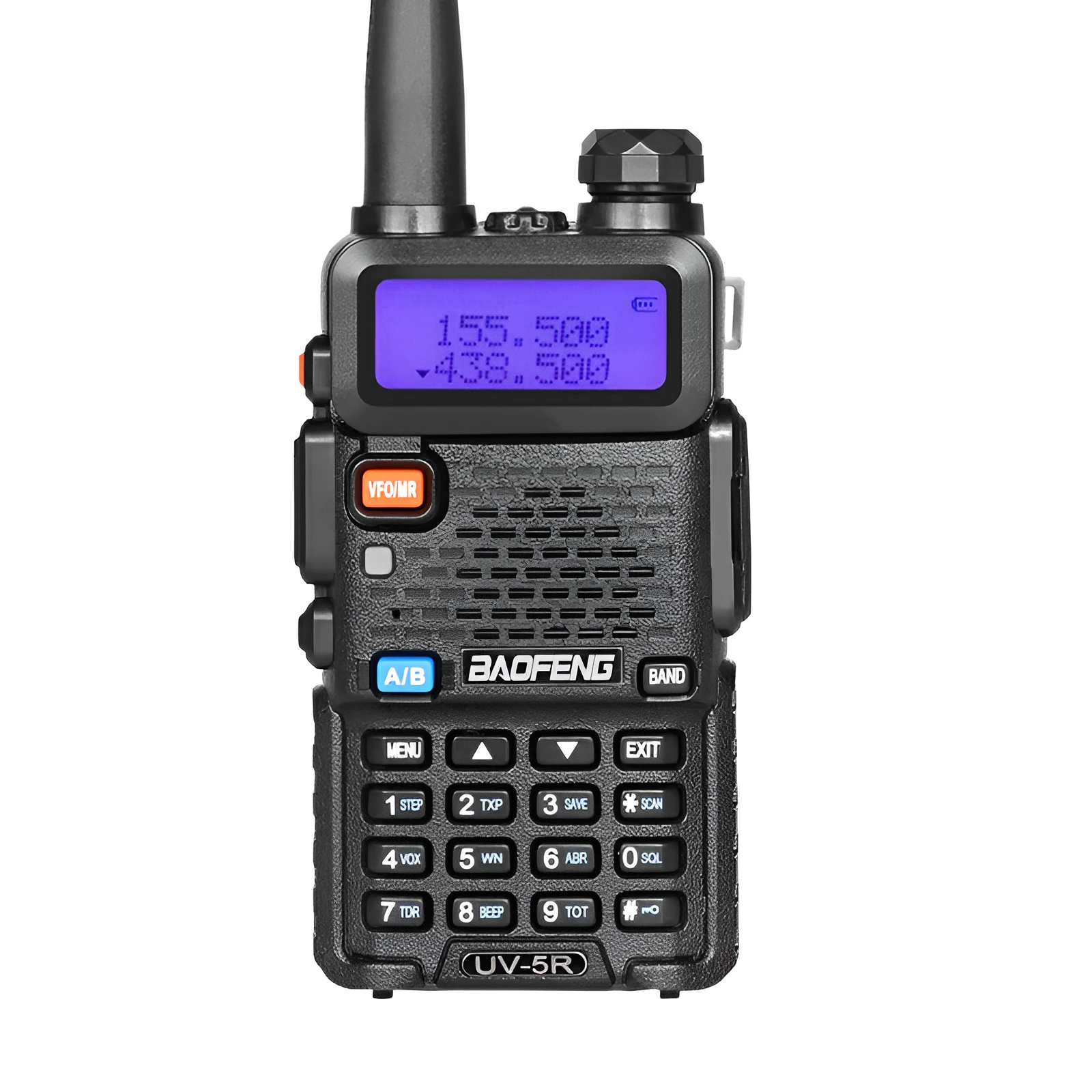
The walkie talkie's physical design prioritizes portability and functionality, with dimensions optimized for field use while accommodating necessary electronic components.
Compact Physical Dimensions
Measuring 110mm in height, 58mm in width, and 32mm in depth (without antenna), the compact form factor fits comfortably in hand or attaches to belts and gear. These dimensions represent the main unit body, with antenna length adding additional height when attached. The size-to-performance ratio allows substantial communication capability in a portable package suitable for mobile users.
Monitoring Function and Operational Features
The included monitoring function enables users to scan channels for activity before transmitting, preventing interruptions of ongoing communications. This feature supports cooperative spectrum use in environments with multiple radio systems operating simultaneously. Combined with the frequency stability of 5ppm, the device maintains clear channel separation and reduces signal drift during extended operation periods.
Professional and Recreational Applications
Suitable for security teams, event staff, construction crews, and outdoor enthusiasts, the walkie talkie serves scenarios where cellular coverage may be unreliable or unavailable. The no-card operation eliminates ongoing subscription costs while providing instant communication capability. Its technical specifications support both professional coordination requirements and recreational group communication needs.
Usage Considerations and Value Points

This communication device offers specific advantages for users requiring reliable, instant coordination without infrastructure dependence.
Regulatory Compliance and Programming
Users must program the device to operate within local regulatory allocations for VHF and UHF frequencies. The wide frequency coverage provides flexibility across different national spectrum allocations when properly configured. Professional programming may be required to optimize channel plans and ensure compliance with local radio communication regulations.
Range Realities and Environmental Factors
The theoretical 5-10km range represents optimal line-of-sight conditions and varies with terrain, buildings, vegetation, and weather. Urban environments typically reduce effective range due to signal absorption and reflection, while open areas may approach maximum theoretical distances. Understanding these variables helps users establish realistic communication plans for their specific environments.
Communication Reliability and System Benefits
Unlike cellular networks that depend on infrastructure, this walkie talkie creates direct device-to-device connections unaffected by network congestion or coverage gaps. The instant push-to-talk functionality enables rapid information exchange without dialling or connection delays. For coordinated group activities, this immediacy and reliability often outweigh the unlimited range of infrastructure-dependent systems.
