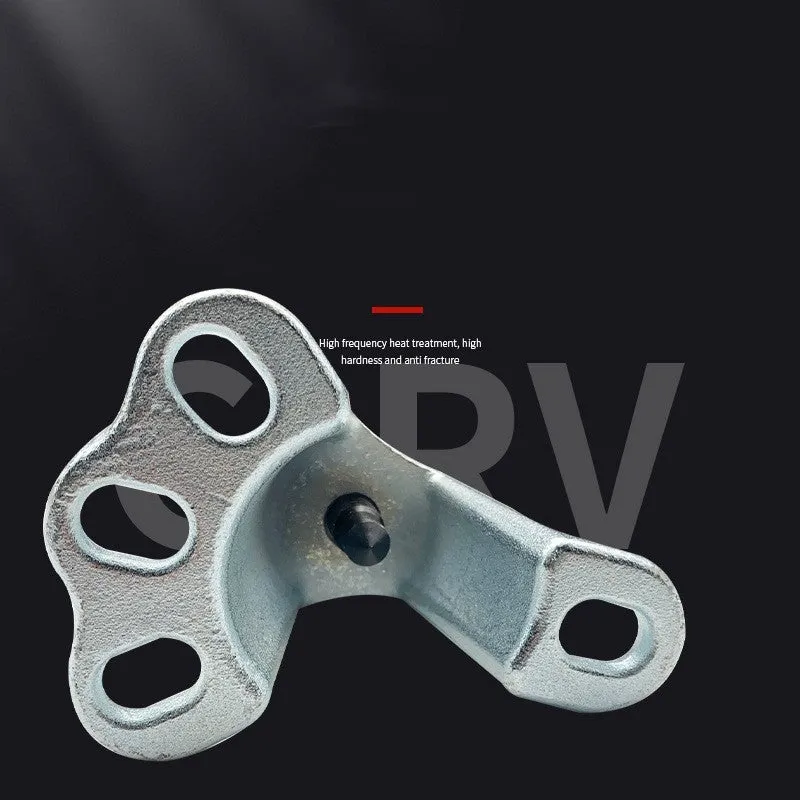
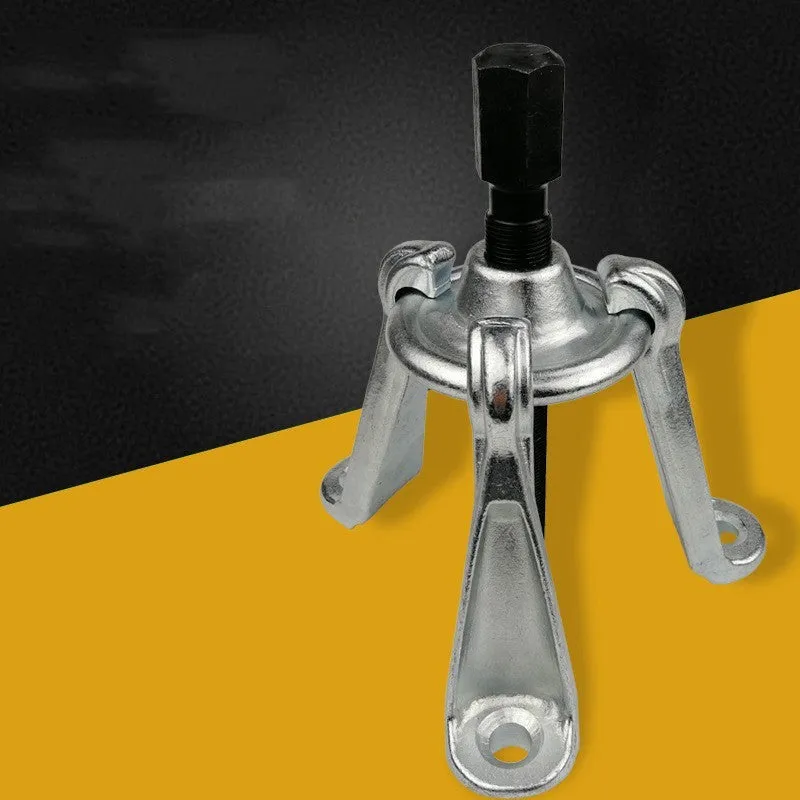
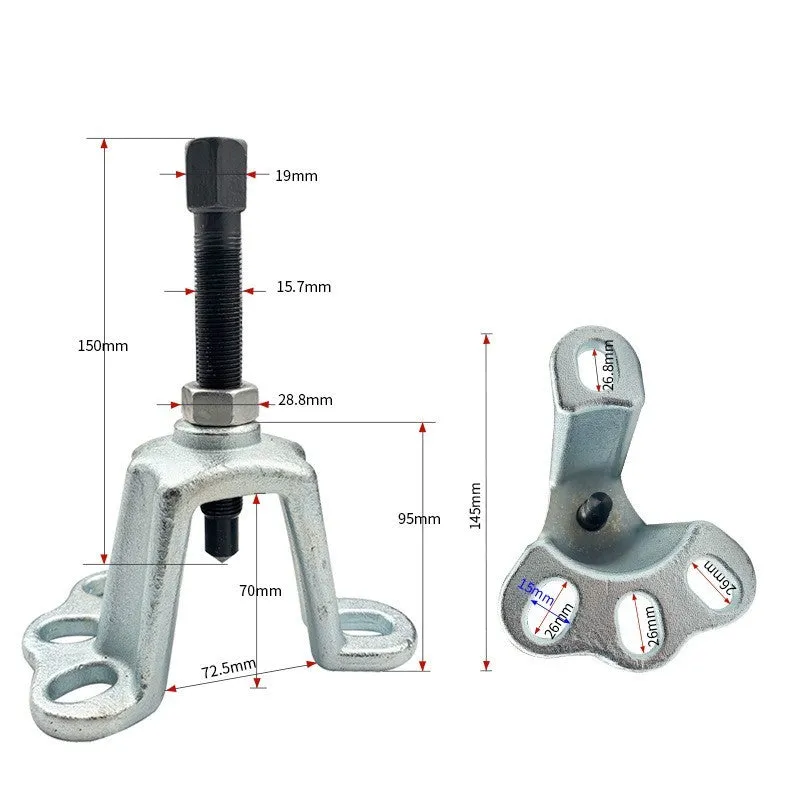
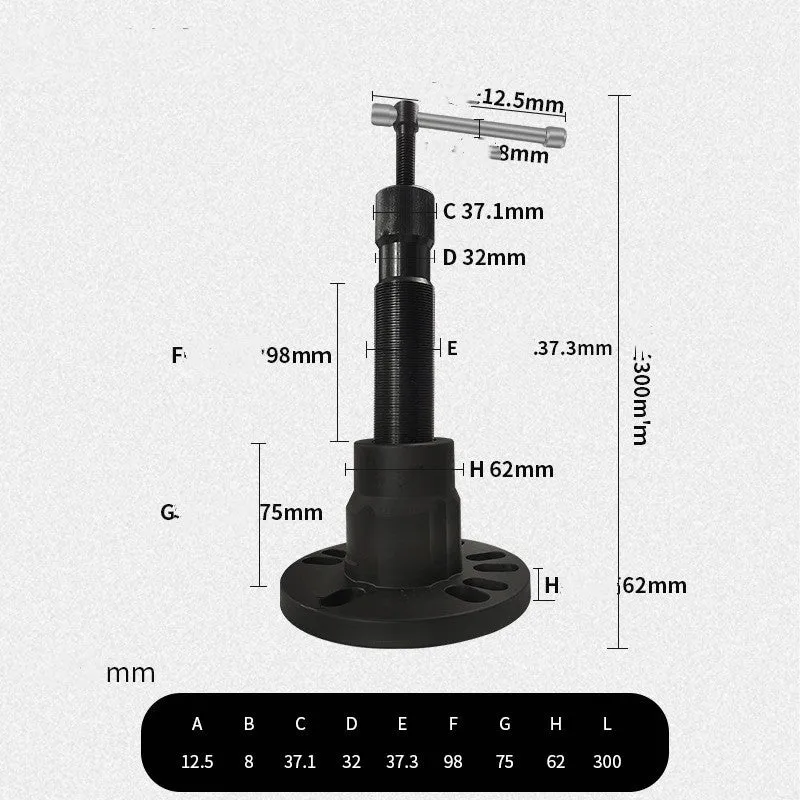
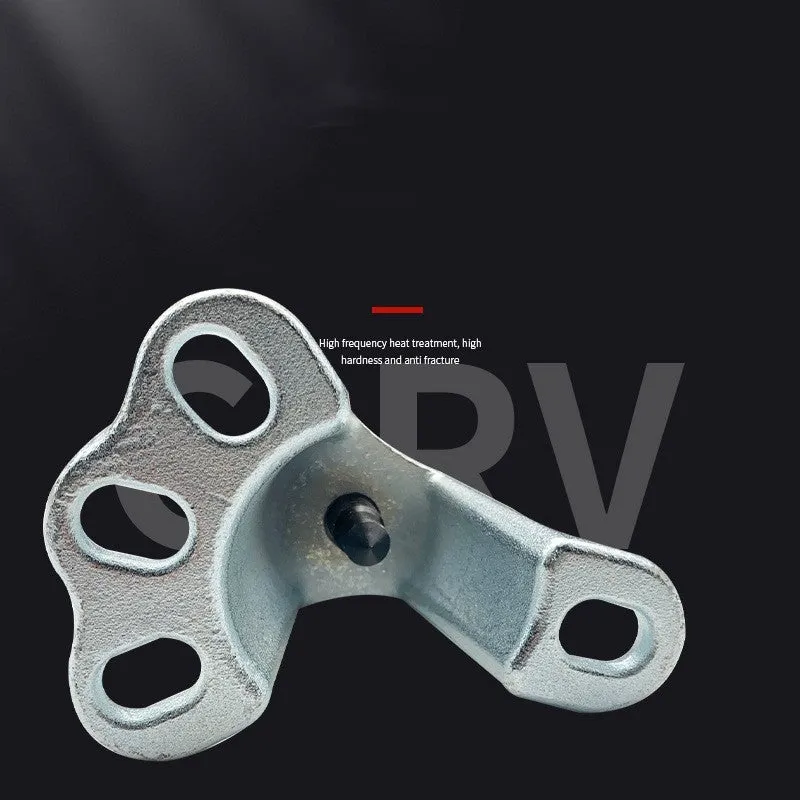
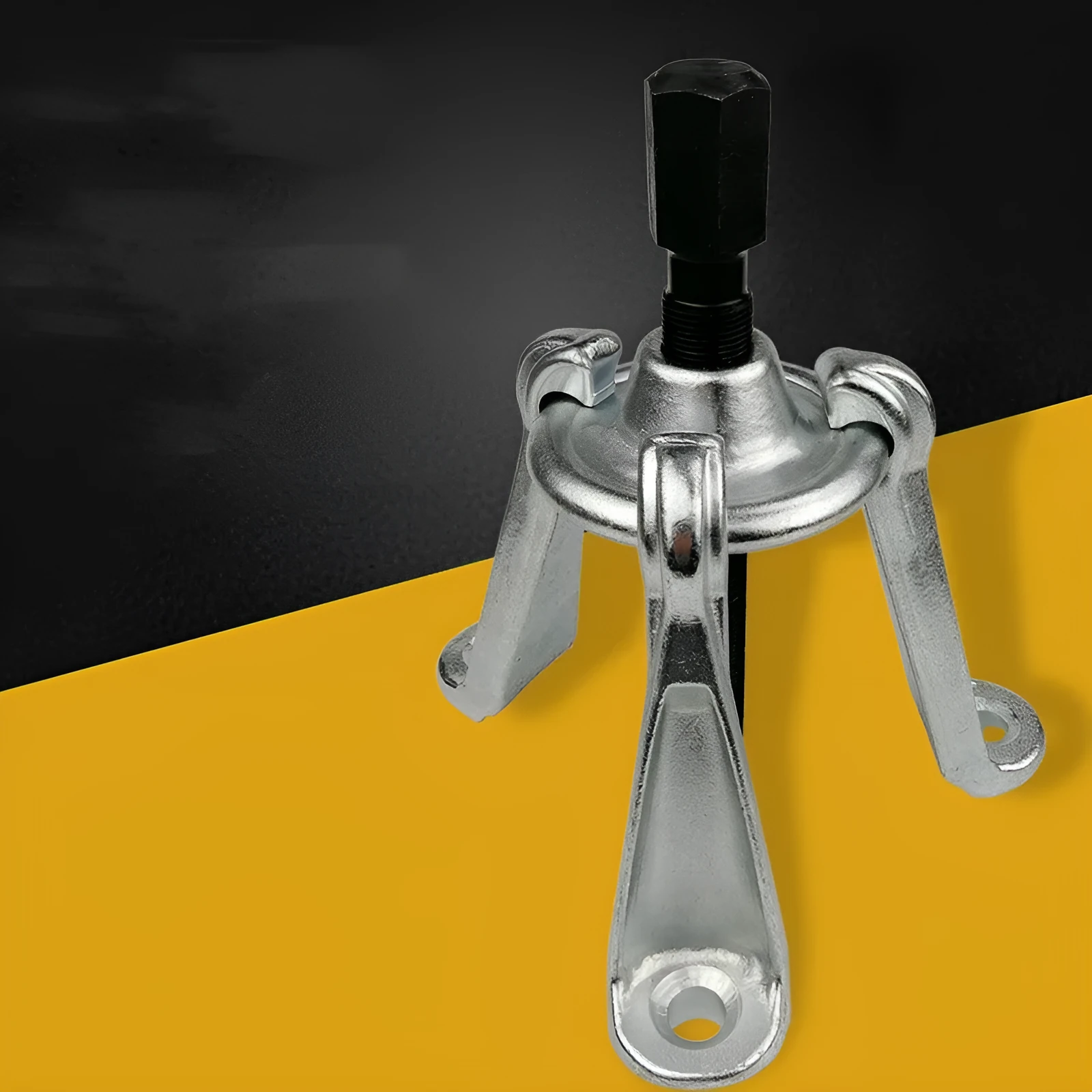
Electric tricycle and motorcycle brake drum dismantlement tool hub puller set in chrome vanadium steel, heavy-duty vehicle wheel removal kit for battery car, standard car, and hydraulic car applications in three style options


Electric tricycle and motorcycle brake drum dismantlement tool hub puller set in chrome vanadium steel, heavy-duty vehicle wheel removal kit for battery car, standard car, and hydraulic car applications in three style options
Heavy-duty chrome vanadium steel hub puller tool for electric tricycle, motorcycle, and car brake drum removal
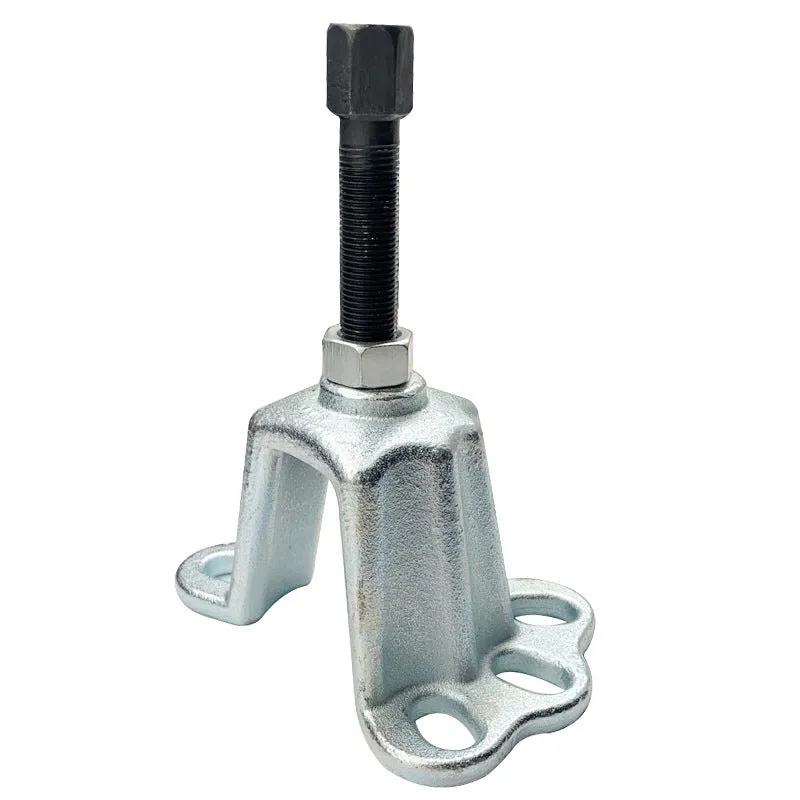
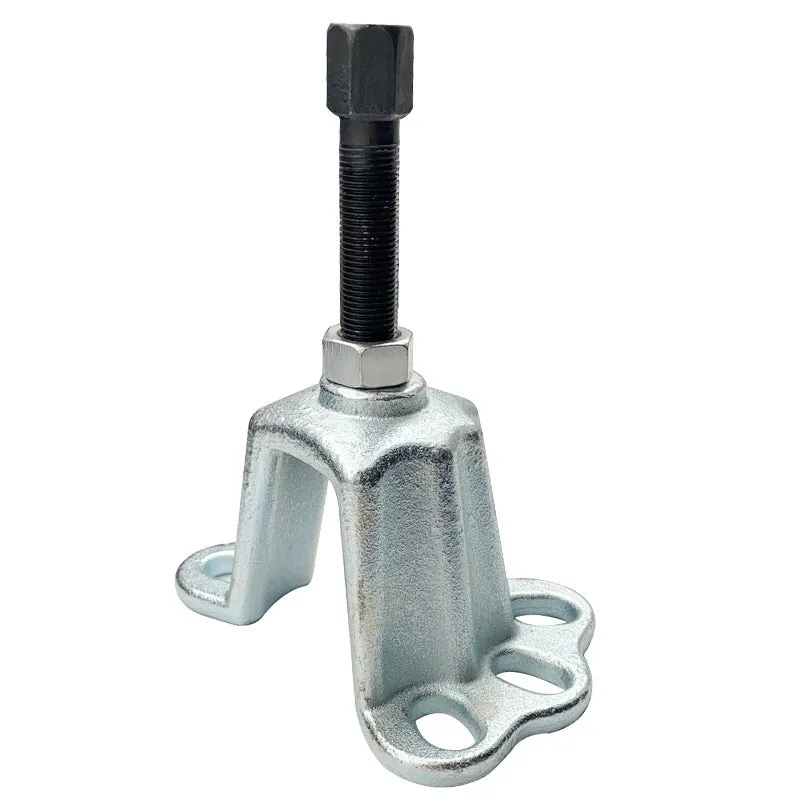
Removing a seized brake drum or wheel hub can halt workshop progress and require significant force. This specialised dismantlement tool is designed to apply controlled, mechanical leverage specifically for this task. Manufactured from chrome vanadium steel, it provides the necessary strength to tackle stubborn components on a range of vehicles. The tool is offered in three distinct configurations, allowing mechanics and DIY enthusiasts to choose the model engineered for their specific vehicle type, from electric tricycles and battery-powered cars to standard and hydraulic car systems. This focused approach ensures the tool interfaces correctly with the vehicle's hub, making the removal process more efficient and less likely to cause damage.
Features and Construction
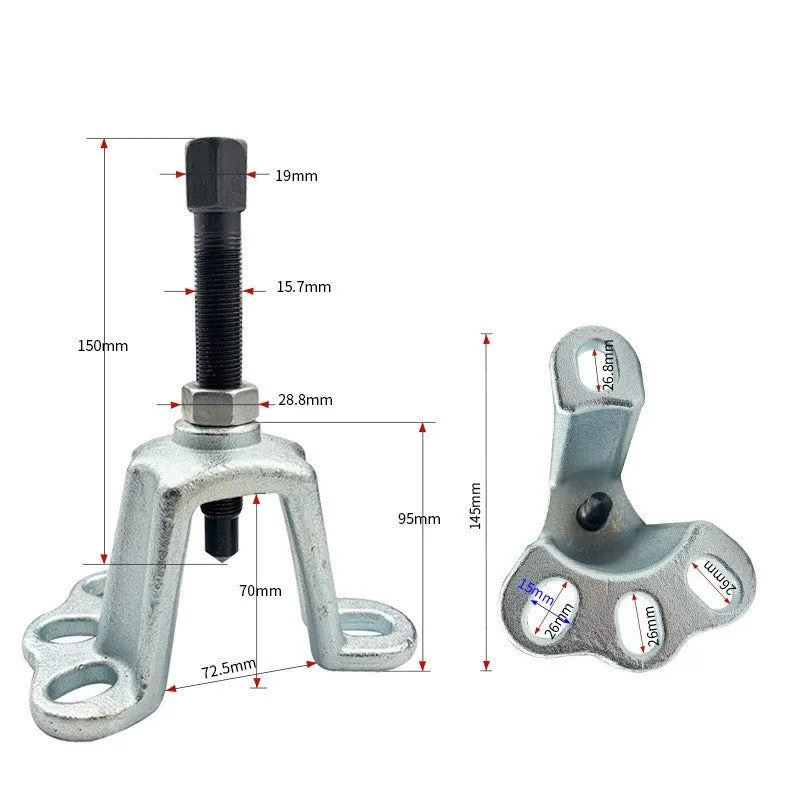
This tool is built for a single, high-force mechanical operation: the disassembly of wheel hubs and brake drums. Its value lies in its specialised design and robust material choice, which together address a common workshop challenge.
Material and Build
The entire tool is constructed from chrome vanadium steel. This alloy is commonly selected for hand tools requiring high tensile strength and resistance to deformation under load, such as socket wrenches and pry bars. In this application, it ensures the puller can withstand the considerable torsional and pulling forces generated when freeing a seized hub from its axle or a brake drum from the hub assembly. The material provides a practical balance of durability and weight for a hand-operated workshop tool.
Size and Practical Fit
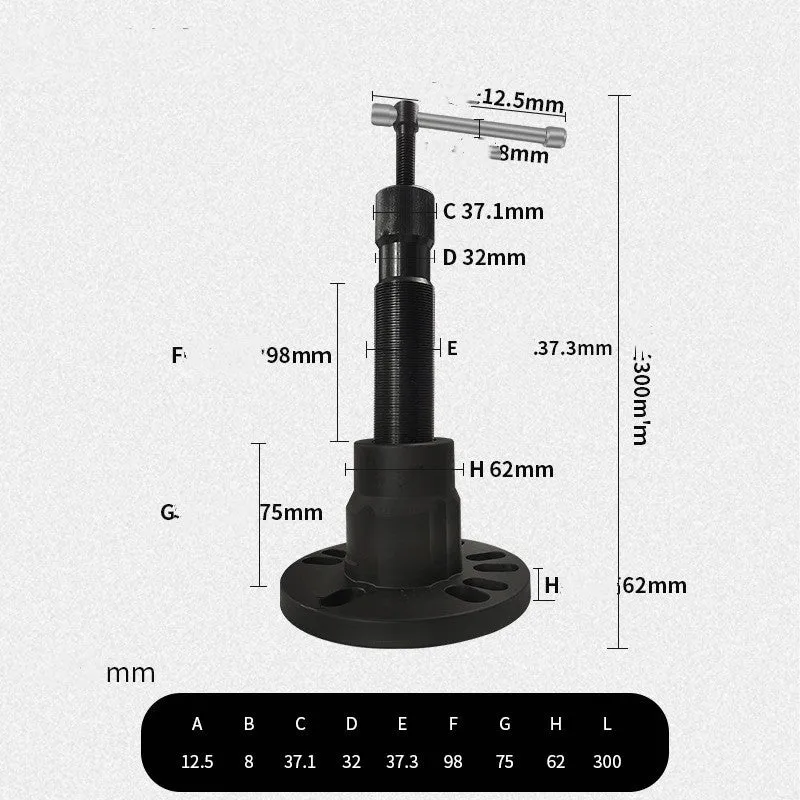
The tool is offered in three specific styles, each tailored to a different vehicle category. Style A is designed for use on battery-powered cars and electric tricycles. Style B is intended for standard passenger or light commercial cars. Style C is built for hydraulic car systems, which may have different hub configurations or require a specific pulling mechanism. This tri-variant system means the user must select the correct model at purchase to ensure proper fit and function on their target vehicle, as the tools are not universally interchangeable across all types.
Uses and Placement
This is a task-specific tool with clear applications in both professional and serious DIY contexts. Its use is centred around vehicle maintenance and repair procedures.
Event or Professional Use
In a professional automotive or motorcycle workshop, this tool streamlines a routine but often difficult task. It can be used during brake servicing, bearing replacement, or hub refurbishment jobs. For mechanics working on electric delivery tricycles or fleet battery cars, having the correct Style A tool can reduce downtime. The specialised design aims to minimise the risk of damaging expensive hub components during removal, which is a key consideration in professional repair work where cost control and part preservation are important.
Everyday Home Use
For the knowledgeable home mechanic maintaining their own car, motorcycle, or electric trike, this tool solves a specific problem. Instead of improvising with inadequate levers or hammers, which can damage threads or bearing surfaces, this puller provides a controlled method. It is particularly relevant for owners of older vehicles where hubs and drums are more likely to become corroded and seized. Selecting the correct style (A, B, or C) for the vehicle in the garage is the critical first step for successful home use.
Benefits and Buying Value
The value of this product is derived from its focused functionality and durable construction, offering a long-term solution for a recurring mechanical need.
Reuse and Low Maintenance
As a solid steel mechanical tool with no complex moving parts or electronics, it is built for reuse over many years. After use, it simply requires wiping clean of grease and dirt before storage. There are no consumable parts to replace, and its function does not degrade with time if stored correctly. For anyone who performs their own vehicle repairs periodically, this represents a one-time purchase that addresses a specific, high-force task whenever it arises, avoiding repeated hiring of specialist equipment or the cost of professional labour for this single job.
Why Choose This Product
Choosing this hub puller comes down to matching the tool to the need. The primary reason is its vehicle-specific design; the three styles acknowledge that a one-size-fits-all approach is often ineffective for hub removal. The use of chrome vanadium steel indicates a build quality suited to the high stresses involved, which is preferable to more generic, softer steel tools that might bend or fail. For the user, the key decision is accurately identifying their vehicle type (battery car/trike, standard car, or hydraulic car) to select the corresponding style (A, B, or C) that will fit correctly and perform the task efficiently.