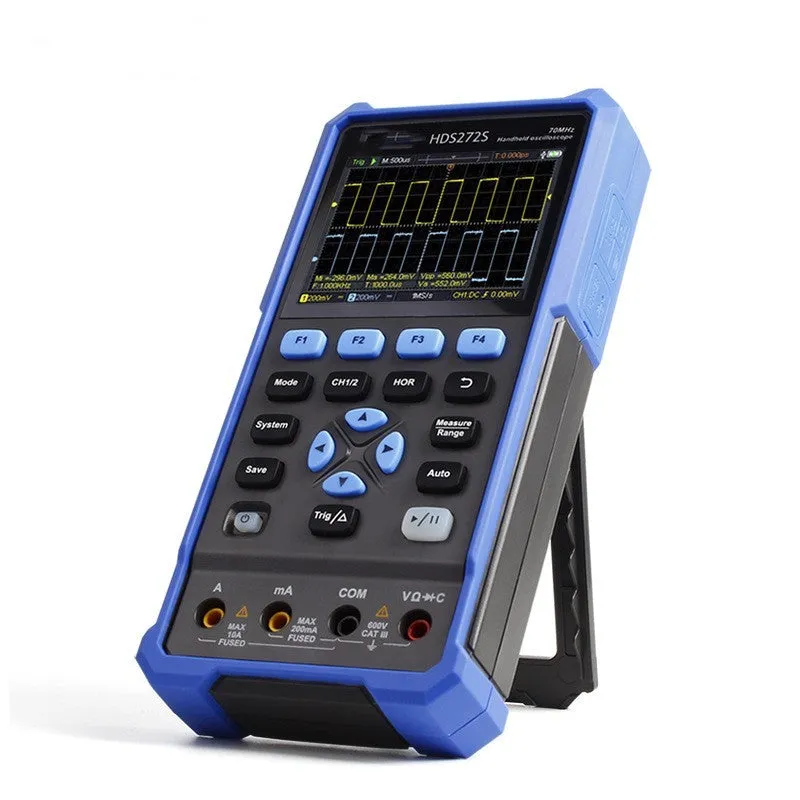
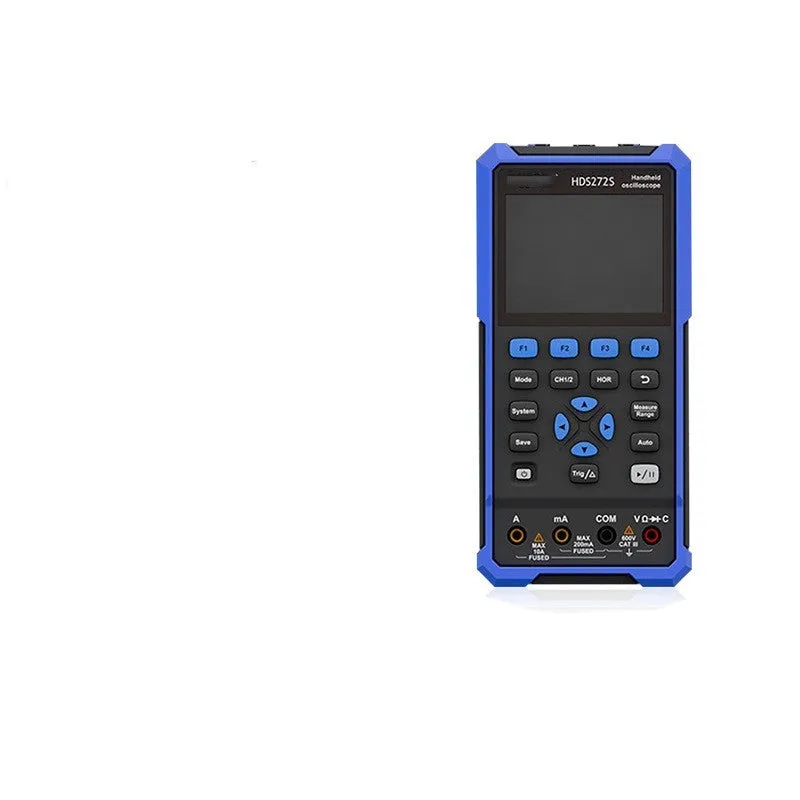
Digital handheld oscilloscope 40-70MHz bandwidth portable device with 250MSa/s sampling rate 10000wfms/s waveform capture for automotive electronics repair diagnostics convenience


Digital handheld oscilloscope 40-70MHz bandwidth portable device with 250MSa/s sampling rate 10000wfms/s waveform capture for automotive electronics repair diagnostics convenience
Handheld 40-70MHz Digital Oscilloscope for Automotive Electronics Repair and Diagnostics

Automotive technicians and electronics repair specialists require reliable testing equipment that combines laboratory-grade measurement capabilities with workshop mobility. This handheld digital oscilloscope delivers signal analysis functions in a compact 198x38x96mm package that fits easily into toolboxes or workshop trolleys. With its 40-70MHz bandwidth range, the device captures electronic waveforms from vehicle control units, sensor circuits, ignition systems, and communication buses commonly found in modern automotive electronics. The included portable carrying bag protects the instrument during transportation between workshop bays or mobile service calls, while the complete accessory set ensures technicians have all necessary connections for most automotive diagnostic scenarios.
Technical Specifications and Measurement Capabilities
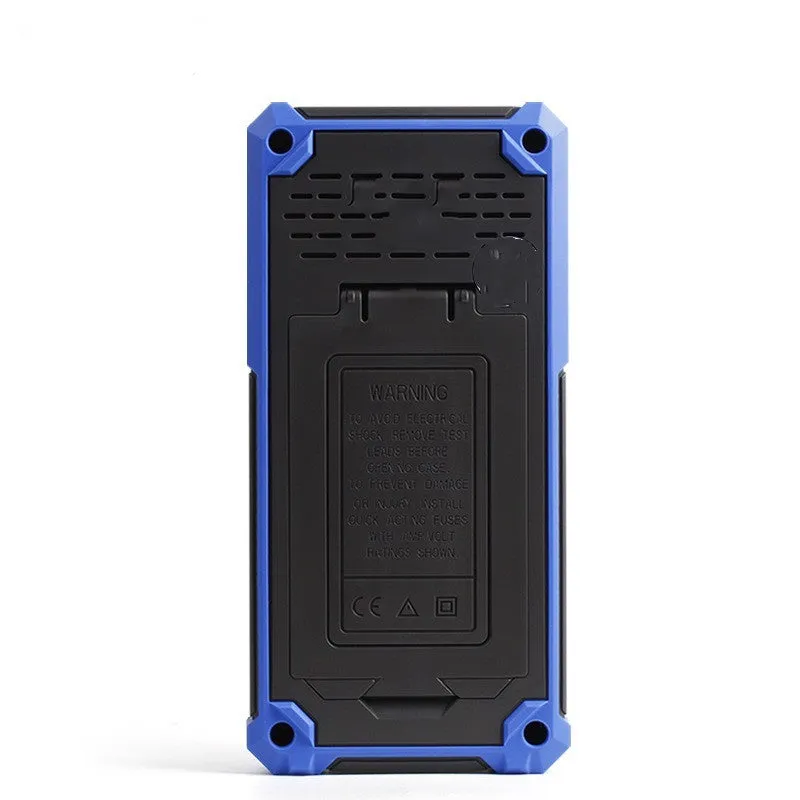
The oscilloscope's core specifications determine its suitability for automotive and general electronics repair work, balancing performance with practical workshop requirements.
Bandwidth and Sampling Performance
With a bandwidth range of 40-70MHz, this oscilloscope captures electronic signals within frequencies commonly encountered in automotive electronics systems. Modern vehicle networks, including CAN bus communications, sensor outputs, and microcontroller signals, typically operate within this measurement range. The 250MSa/s sampling rate ensures adequate resolution for viewing signal details and detecting anomalies in electronic circuits, while the 10000wfms/s waveform capture rate helps identify intermittent faults that might otherwise go unnoticed during standard diagnostic procedures.
Physical Dimensions and Portability
Measuring 198mm in length, 96mm in height, and 38mm in depth, the oscilloscope maintains a form factor designed for handheld operation rather than bench mounting. These compact dimensions allow technicians to carry the device alongside multimeters and other diagnostic tools, with the included portable bag providing protection against workshop dust, minor impacts, and moisture exposure. The physical size balances screen visibility with ergonomic handling during extended diagnostic sessions, particularly when accessing difficult-to-reach test points within vehicle engine bays or interior panels.
Accessory Configuration and Connection Options

The complete accessory set transforms the basic oscilloscope into a functional diagnostic toolkit suitable for diverse automotive testing scenarios.
Probes and Adapters for Automotive Applications
Included oscilloscope probe pens provide standard connection to test points, while the BNC-to-crocodile clip adapter allows quick connection to wire terminals, connector pins, and component legs commonly encountered in vehicle wiring harnesses. The multimeter pen extends functionality beyond waveform analysis, enabling basic voltage, continuity, and resistance measurements without switching between multiple instruments. This combination of probes and adapters addresses the varied connection requirements of automotive electronics, from accessing ECU pins to testing sensor outputs at the connector level.
Calibration and Data Transfer Capabilities
The correction pen supports calibration adjustments to maintain measurement accuracy over time, referenced against the comprehensive operation manual provided. USB cable connectivity enables waveform data transfer to computers for further analysis, report generation, or comparison with known-good signal patterns. This combination of calibration tools and data export options supports professional workshop practices where measurement traceability and documentation form part of comprehensive diagnostic procedures.
Practical Applications in Automotive Diagnostics
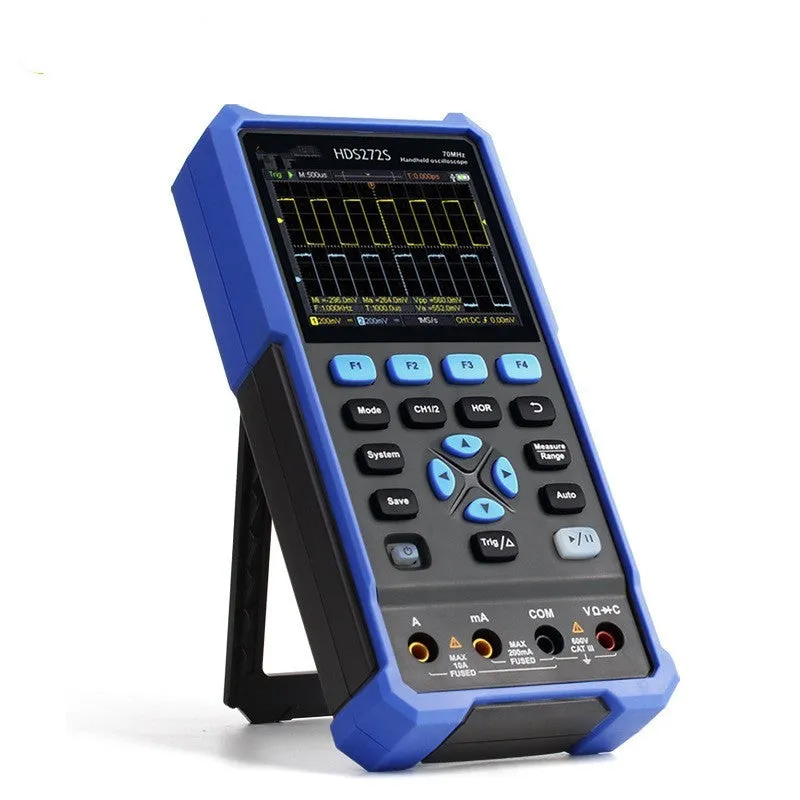
The oscilloscope's specifications and accessory configuration target specific testing scenarios common in vehicle repair and maintenance environments.
Engine Management and Sensor Testing
Automotive technicians can analyze signals from crankshaft position sensors, camshaft sensors, oxygen sensors, and throttle position sensors using the oscilloscope's bandwidth and sampling capabilities. The waveform capture rate helps detect intermittent sensor faults that might not trigger diagnostic trouble codes but cause drivability issues. Viewing ignition primary and secondary waveforms assists in diagnosing misfires, coil faults, and spark plug issues, while injector pulse width measurements help identify fuel delivery problems.
Network Communications and Module Diagnostics
Modern vehicles employ various communication networks, including CAN bus, LIN bus, and FlexRay systems, which operate within the oscilloscope's measurement range. Technicians can verify network activity, check signal integrity, and diagnose communication faults between electronic control units. Testing power supply waveforms to modules helps identify voltage regulation issues, while monitoring actuator signals assists in diagnosing faults in electronic throttle bodies, variable valve timing systems, and transmission control solenoids.