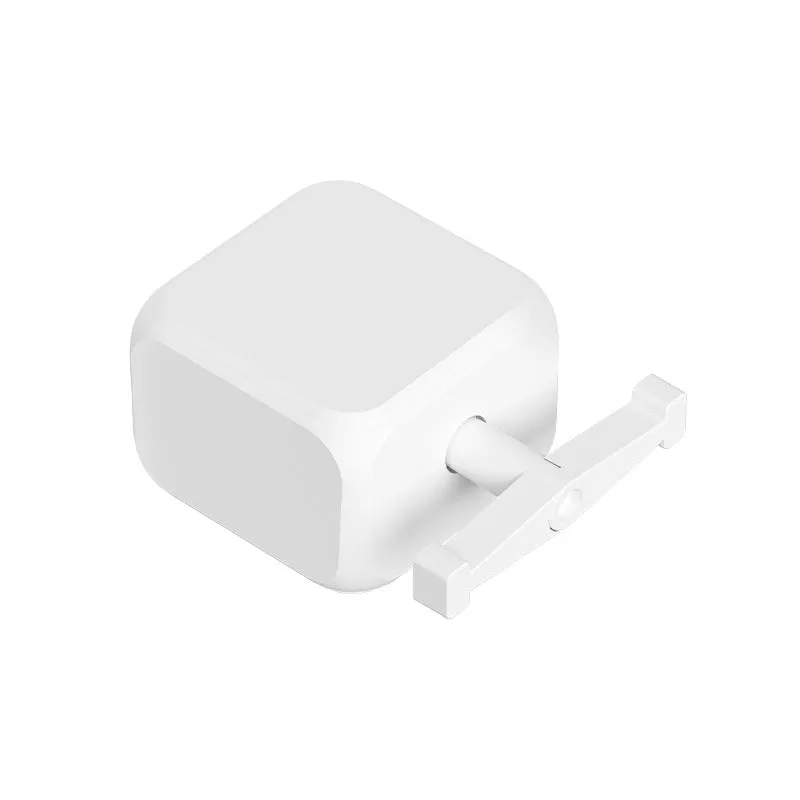
Bluetooth rocker arm finger robot remote control smart home device white compact 53x29x14mm for family school hospital hotel automation switching


Bluetooth rocker arm finger robot remote control smart home device white compact 53x29x14mm for family school hospital hotel automation switching
Compact White Bluetooth Rocker Arm Remote Control for Smart Homes and Institutions
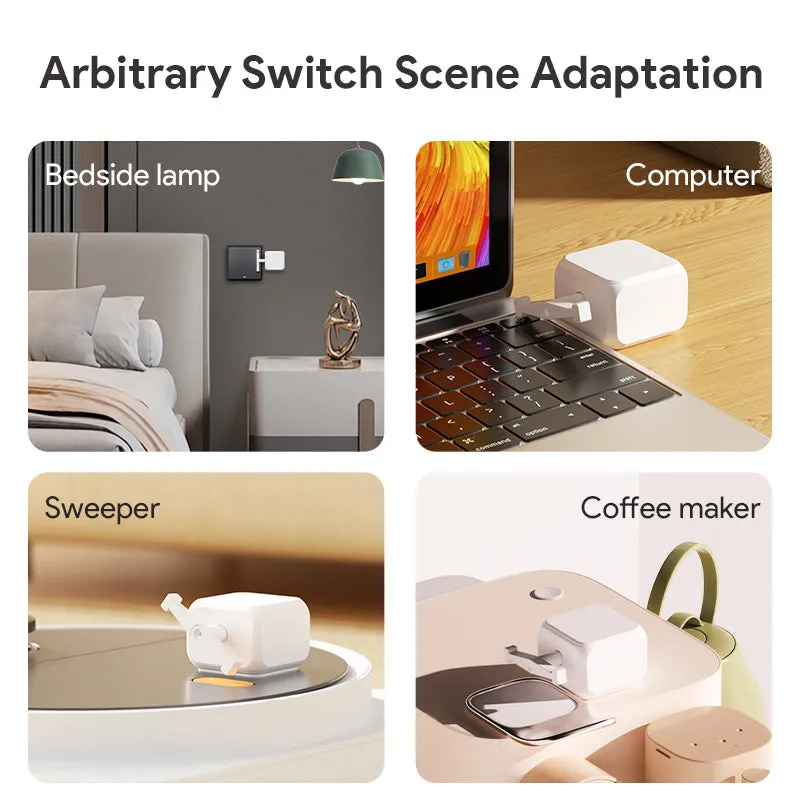
This Bluetooth rocker arm finger robot is a compact remote control designed to operate compatible smart home and automation devices wirelessly. Its primary function is to provide a simple, tactile interface for sending commands via Bluetooth connectivity. With dimensions of 53x29x14mm, it is small enough to fit comfortably in the hand or be placed discreetly on a surface. The neutral white colour allows it to blend into various decors across different settings. The product is indicated for use in family residences, educational institutions like schools, medical facilities such as hospitals, and commercial spaces like hotels, offering a versatile control solution for lighting, appliances, or other connected systems.
Features and Construction

The core feature of this device is its rocker arm finger robot design, which implies a physical button mechanism that moves when pressed. This provides tangible feedback during operation. As a Bluetooth device, it connects wirelessly to other equipment, eliminating the need for direct line-of-sight or infrared signals.
Material and Build
The specific materials used in the housing and internal components are not detailed in the source information. The product is defined by its electronic function as a remote control. The build is centred around enabling Bluetooth communication and providing a durable rocker arm switch for user input. The white exterior finish is specified, contributing to its visual presentation.
Size and Practical Fit
With precise dimensions of 53 millimetres in width, 29 millimetres in height, and a depth of 14 millimetres, this remote is notably compact. This small form factor makes it highly portable and easy to store. It can be carried in a pocket or placed on a bedside table, desk, or wall mount without occupying significant space, which is advantageous in clutter-sensitive environments like hospital rooms or hotel suites.
Uses and Placement
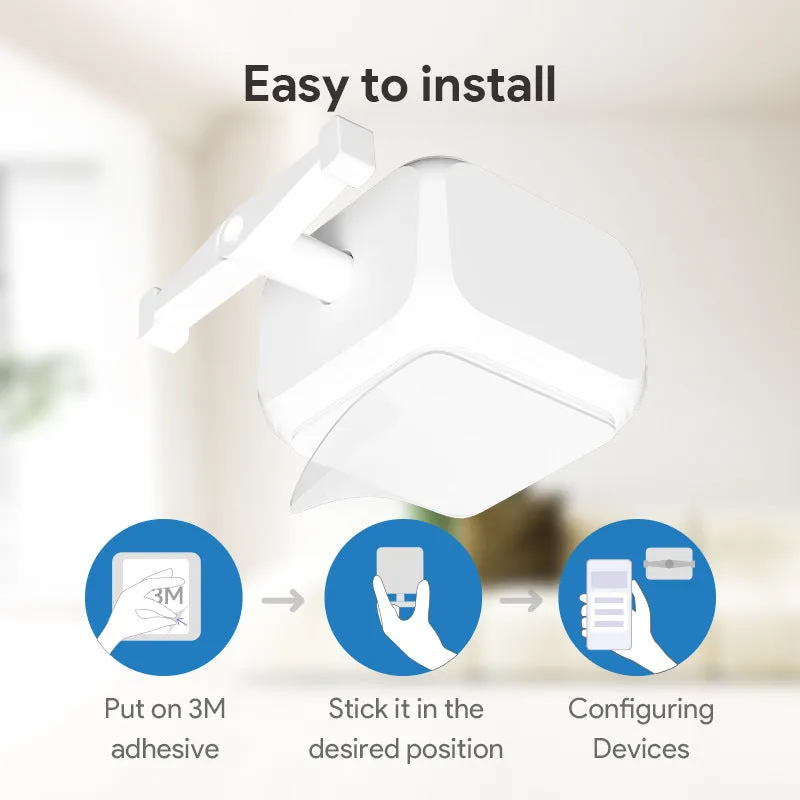
The stated scope of application covers four main environments: family homes, schools, hospitals, and hotels. In each setting, it serves to automate or remotely control devices, potentially improving convenience, accessibility, or energy management.
Event or Professional Use
In professional and institutional settings like schools, hospitals, and hotels, this remote can streamline operations. Teachers or staff could use it to control projectors or room lights. In a hotel room, it could operate the main lighting circuit. In a hospital, it might allow a patient to control a bedside lamp or call button without leaving the bed, supporting accessibility.
Everyday Home Use
For family homes, this Bluetooth remote integrates into a smart home ecosystem. It could be programmed to turn off multiple lights at night, control a smart plug for a coffee maker, or operate motorised blinds. Its simplicity makes it suitable for users who prefer a straightforward physical button over smartphone apps or voice commands for certain tasks.
Benefits and Buying Value
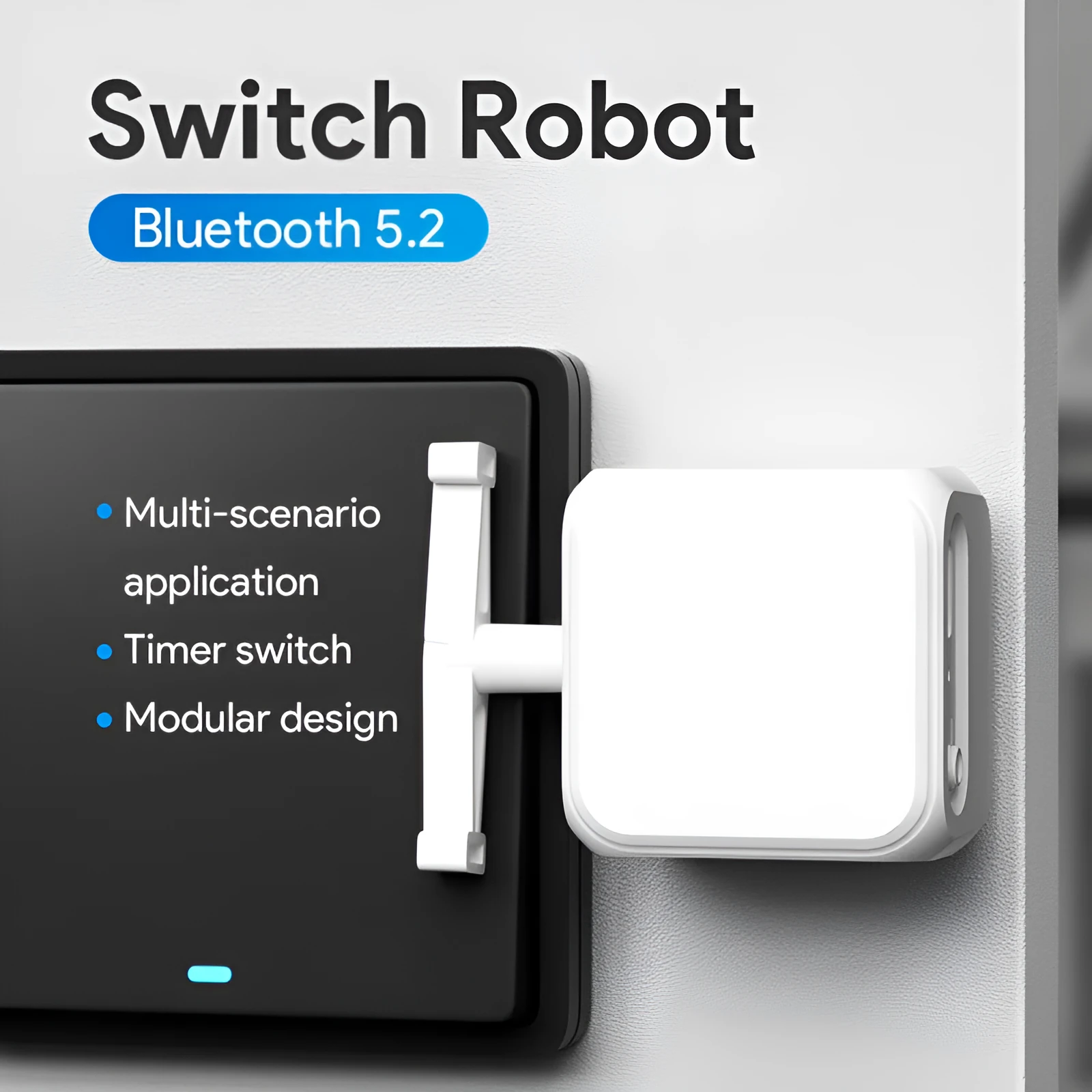
The value of this product lies in its specific combination of wireless technology, compact design, and simple interface. It addresses the need for a dedicated, physical controller in a world increasingly dominated by touchscreens.
Reuse and Low Maintenance
As a dedicated hardware remote, it can be used repeatedly for the same core function without wear on a smartphone battery or reliance on a specific app. Maintenance would typically involve only battery replacement (battery type not specified) and ensuring it remains within Bluetooth range of the target device.
Why Choose This Product
This product is chosen for scenarios where a small, standalone, physical remote is preferable. It is suitable for environments where users may not have their smartphone handy, for individuals who find physical buttons easier to use than touchscreens, or for controlling a specific device reliably. Its multi-environment specification suggests a design aimed at robustness and straightforward utility.